
1. A Question That Initially Confused Me
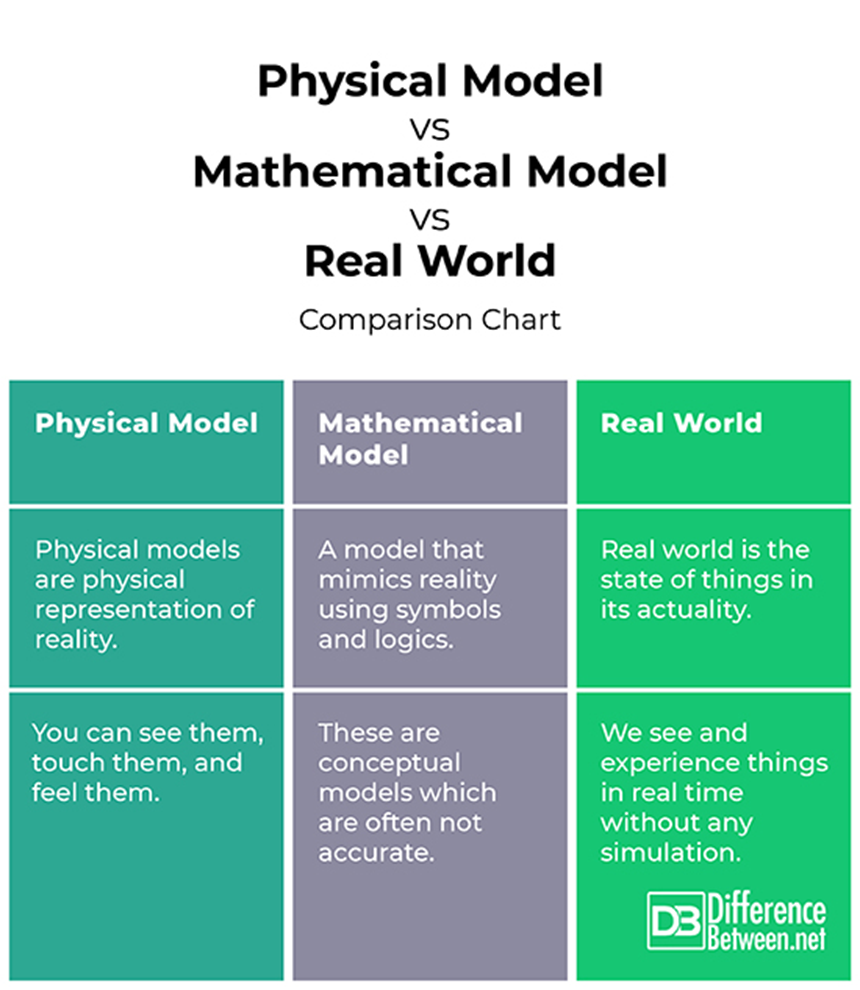
In physics classes, we are repeatedly taught to simplify reality.
We assume:
- strings have no mass,
- surfaces are perfectly smooth,
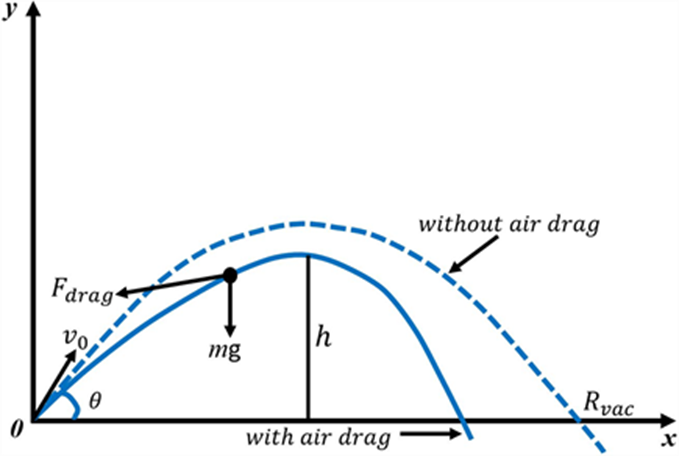
- air resistance does not exist,
- pendulums swing at small angles.
At first, this felt unsettling.
If these assumptions are clearly false in the real world,
why do physicists insist on using them?
And more importantly:
how can a model that is “wrong” still produce correct predictions? This question stayed with me longer than most formulas I memorized.
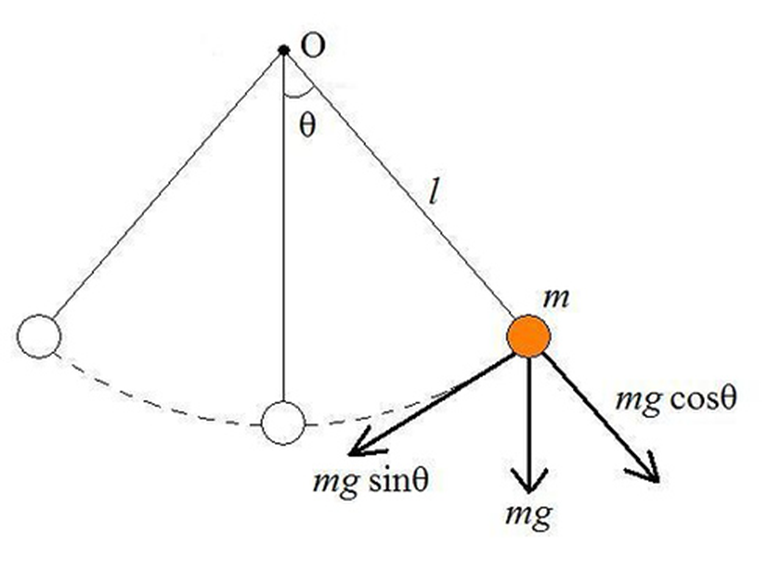
2. A Familiar Example: The Simple Pendulum
Consider the simple pendulum.
In textbooks, its period is given by:
[
T = 2\pi \sqrt{\frac{l}{g}}
]
This result depends only on the length (l) and gravity (g),
and not on:
- mass,
- amplitude,
- shape of the bob.
However, this formula only holds when the swing angle is small.
So here is the puzzle: If the model breaks down at larger angles,
why do physicists still trust it so much?
Leave a Reply